Zenith Soul: Rhythmic Three-Lane Defense in Cosmic Ink
Zenith Soul, from Mariamy, is an Android casual defense game that asks players to guard three rune lanes. The game pairs rhythmic tapping with lane-based casting: match lane resonance to trigger spells, repel waves, and refine a relic-driven build between rounds. It features a distinctive cosmic ink visual approach, rune-resonance mechanics, and random relic choices after waves. The title targets casual mobile gamers who value short, reactive sessions with a strong visual identity.
What kind of game is Zenith Soul? A rhythm-forward lane defense hybrid
The game blends lane-based defense with timing-based input: players tap the rune lane that resonates with approaching foes to cast spells and clear waves. Core play loops are short encounters that reward matching timing and lane management rather than passive placement. The design adds light RPG elements, so success depends on both reflexes and the choices you make between rounds.
How does progression evolve between runs?
Progression follows a roguelike selection model, offering three random relics after successful waves so you can evolve a build. Relics modify stats such as damage, health recovery, and casting speed, encouraging trade-offs and different play styles each run. This means each session can shift focus toward survivability or burst damage, rewarding players who experiment with combinations over multiple attempts.
What does the game look and how does the interface convey action?
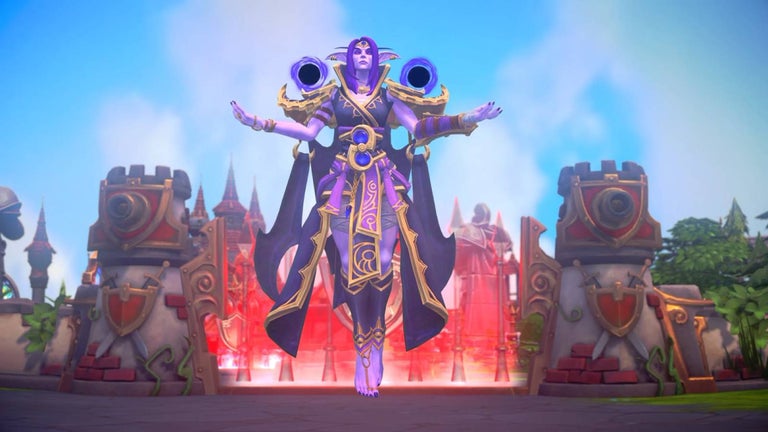
The visual identity is a "cosmic ink" aesthetic that emphasizes high-contrast silhouettes and fluid rune effects, giving each lane a clear, atmospheric read. The lane-based UI maps enemy approach and resonance to distinct rune indicators, which helps players identify which lane to tap under pressure. Graphics remain legible on mobile screens, supporting quick decisions without cluttered overlays.
How long does it take to finish and what keeps you playing?
Sessions are compact and focused on wave survival, with random relic choices providing variability that encourages repeat plays. The combination of short matches and evolving builds supports quick pick-up sessions and incremental mastery. Compared to passive tower defense titles, the design forces continuous input and timing, which appeals to players who prefer active, repeatable trials rather than long base-building stretches.
Who should settle into this one and what to expect
The game is a welcoming pick for casual mobile defenders who enjoy brisk, reactive matches and distinct art direction; the early player community is still growing, so social or competitive scenes remain limited. For solo players seeking compact sessions with meaningful run-to-run choices and a memorable visual tone, the app rewards repeat play and experimentation.